
Brie de Meaux and Brie de Nangis: A Guide to Two Classic French Brie Cheeses
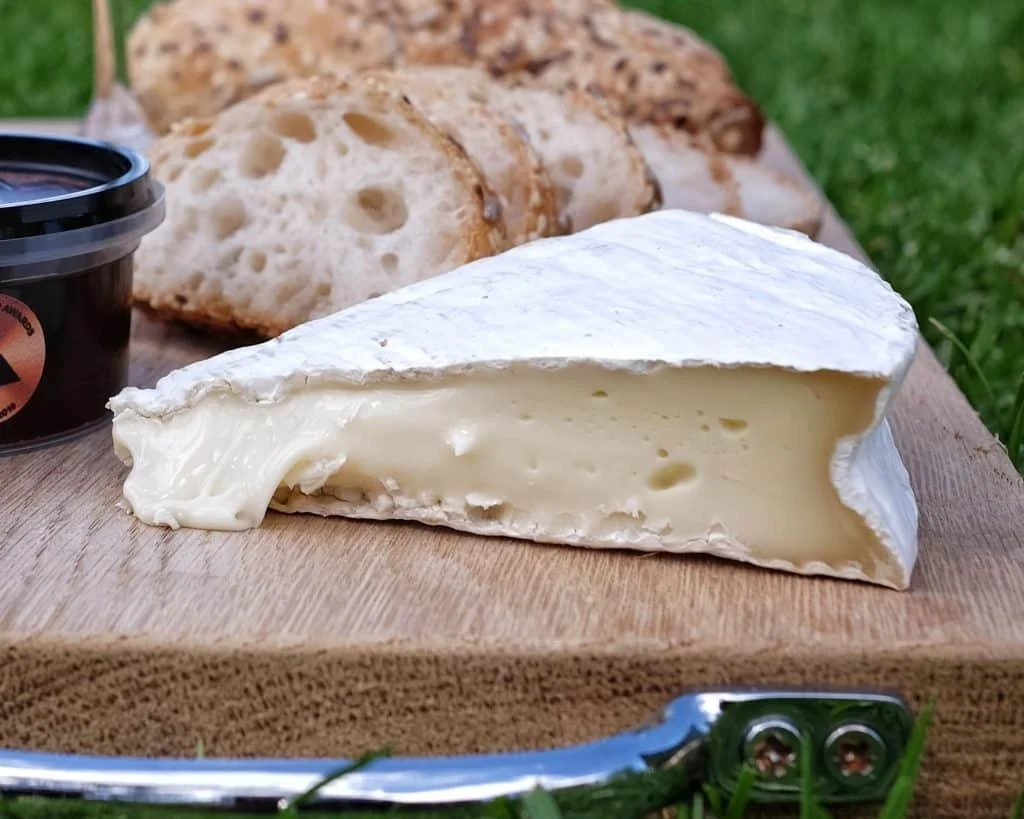
Few cheeses are as recognizable or beloved as Brie. With its soft white rind and creamy interior, Brie has become a centerpiece of cheese boards around the world. But within the world of Brie, there are many variations that reflect the traditions and landscapes of the region where the cheese is made. Two of the most notable are Brie de Meaux and Brie de Nangis, both from the historic Brie region just outside Paris.
At Dobbs & Bishop Fine Cheese, we love introducing customers to the subtle differences between classic cheeses like these. Whether you are building a cheese board, putting together a gift basket, or simply looking for a delicious soft cheese to enjoy with bread and wine, understanding the difference between these two styles of Brie can make the experience even more enjoyable.
What is Brie cheese?
Brie is a soft-ripened cow’s milk cheese known for its bloomy white rind and smooth, creamy center. It originated in the Île-de-France region and has been produced for centuries, earning a reputation as one of France’s most iconic cheeses.
As Brie ages, the texture becomes increasingly soft and spreadable. The flavor develops gentle notes of butter, fresh cream, mushrooms, and sometimes a hint of nuttiness. The rind, which forms naturally during aging, contributes an earthy aroma that balances the richness of the interior.
While many Brie-style cheeses are now produced around the world, traditional versions like Brie de Meaux and Brie de Nangis remain closely tied to their place of origin and long-standing cheesemaking traditions.
Brie de Meaux
Brie de Meaux is often called the “King of Cheeses,” a nickname that dates back to the Congress of Vienna in 1815. It holds AOP status, which means it must be produced using traditional methods within a specific region of France.
This cheese is made from raw cow’s milk and typically formed into large wheels measuring about fourteen inches across. The curds are carefully ladled into molds and allowed to drain naturally before the cheese is aged for several weeks. During this time, the characteristic white rind develops and the interior slowly softens.
When ripe, Brie de Meaux has a beautifully creamy texture with layers of flavor. The center is rich and buttery, while the area closer to the rind brings gentle mushroom and earthy notes. Many people also notice hints of hazelnut or toasted cream that linger on the palate. It is a cheese that feels both comforting and complex, which is part of why it has remained so celebrated for centuries.
Brie de Nangis
Brie de Nangis is less famous internationally, but it has long been appreciated within the Brie region itself. Produced around the town of Nangis in Seine-et-Marne, it was historically made by small farms and sold in local markets.
Compared with Brie de Meaux, Brie de Nangis is often slightly smaller and a bit milder in flavor. The texture is still creamy and soft, but the overall profile tends to be lighter and more delicate.
You can expect fresh dairy flavors, gentle butteriness, and soft mushroom aromas. The finish is often slightly tangy and very approachable. For many people, Brie de Nangis feels like an easy, everyday Brie that still carries the character of traditional French cheesemaking.
How to serve Brie
Both Brie de Meaux and Brie de Nangis are best enjoyed at room temperature. Taking the cheese out of the refrigerator about thirty to forty-five minutes before serving allows the texture to soften and the aromas to fully develop.
Brie pairs beautifully with simple accompaniments. A fresh baguette or crusty bread is often all you need. Apples, pears, and mild crackers also complement the cheese nicely, and a small spoonful of honey or fig jam can highlight the creamy richness.
For wine pairings, many people enjoy Brie with Champagne, Chardonnay, or a light Burgundy. The acidity in these wines balances the richness of the cheese and makes for a very satisfying combination.
Discovering Brie at Dobbs and Bishop
At Dobbs and Bishop Fine Cheese, we love helping people explore classic cheeses and discover new favorites. Traditional cheeses like Brie de Meaux and Brie de Nangis offer a wonderful glimpse into the history and craft of French cheesemaking.
Whether you are putting together a cheese board for friends, assembling a gift basket, or simply looking for something delicious to enjoy at home, our team is always happy to help guide you. A great Brie can turn even the simplest meal into something special, and sharing these cheeses is one of the joys of what we do every day at the shop.